The Art of Mixology: The History and Influence of Cocktails on Modern Society
From their humble beginnings in 19th-century taverns to becoming an integral part of today’s social scene, cocktails are more than just beverages—they’re an art form and a cultural statement. Cocktails embody the spirit of creativity and experimentation, blending flavors, colors, and ingredients to craft something entirely new. Today, they’ve become a global phenomenon, shaping trends, influencing the food and beverage industry, and reflecting the diverse tastes and lifestyles of modern society.
The Origins of Cocktails: From Apothecaries to Bars
The term “cocktail” first appeared in print in the early 19th century, but the art of mixing drinks likely predates this. In early America, taverns and apothecaries offered mixed drinks with a blend of spirits, bitters, water, and sugar, intended to enhance flavor and balance strong alcoholic notes. These rudimentary cocktails, like the Old Fashioned, were initially enjoyed for their medicinal benefits and ability to lift the spirits, often prescribed by doctors to treat ailments.
As spirits like gin, rum, and whiskey became more widely available in the 1800s, bartenders began experimenting with various combinations, adding fruit juices, spices, and liqueurs. The cocktail became a symbol of social interaction, especially in American saloons, where people gathered to enjoy the novel flavors that distinguished mixed drinks from simple spirits. By the late 1800s, cocktail culture had spread beyond the United States, gaining popularity in Europe and setting the stage for its global influence.
The Golden Age of Cocktails
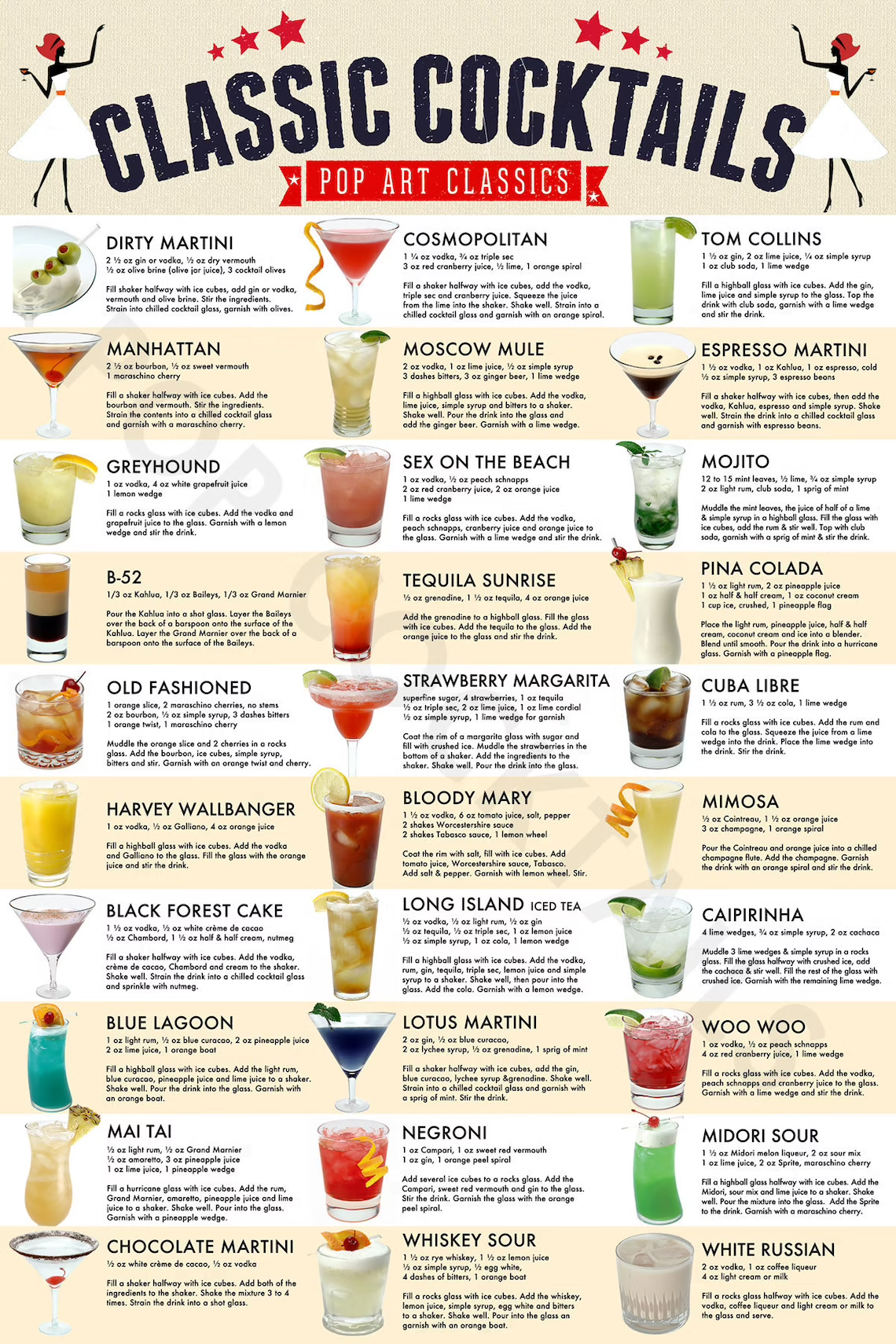
The early 20th century is often referred to as the “Golden Age of Cocktails.” During this period, cocktails became synonymous with elegance, glamour, and innovation. Bartenders, known as “mixologists” in this era, pushed the boundaries of traditional drink-making, experimenting with complex ingredients and presentation. Notable creations from this time include the Martini, the Manhattan, and the Daiquiri, cocktails that remain iconic to this day.
Prohibition, enacted in the United States from 1920 to 1933, paradoxically fueled the rise of cocktails. The ban on alcohol led to the emergence of speakeasies, hidden bars where patrons could enjoy illicit drinks in secret. Bartenders masked the taste of low-quality, often homemade spirits with mixers and flavors, creating cocktails that were palatable and memorable. The secrecy and creativity surrounding cocktails during Prohibition only enhanced their mystique, and some of the most well-known cocktails, like the Sidecar and Bee’s Knees, were created in this era.
The Mid-Century and the Revival of Cocktails
Following Prohibition, the cocktail made a comeback, becoming a staple of mid-20th-century America. Cocktail parties became a popular social event in the 1950s and ‘60s, with classic cocktails like the Martini and Manhattan symbolizing sophistication and status. The popularity of cocktails extended beyond bars and into the home, where suburban households entertained guests with highball glasses and stocked bar carts. Cocktail culture became ingrained in pop culture, appearing in Hollywood movies, TV shows, and advertisements, and establishing a lasting image of sophistication associated with certain drinks.
However, by the 1980s and 1990s, cocktail culture declined as pre-mixed and sugary drinks took over the market, leading to a period often criticized for lacking creativity and quality. Many bars began serving overly sweet, neon-colored cocktails with little emphasis on craft or ingredients. Nevertheless, the foundations for a revival were quietly being laid, as a new generation of bartenders and enthusiasts sought to reclaim the elegance and artistry of classic cocktails.
The Cocktail Renaissance
The early 2000s marked a renaissance for cocktails, driven by the craft cocktail movement. Bartenders across major cities, especially in the U.S. and Europe, began returning to the roots of mixology, emphasizing fresh ingredients, high-quality spirits, and traditional techniques. This movement embraced the meticulous crafting of drinks, valuing skill and creativity, and transforming cocktail-making into an art form.
Speakeasy-style bars resurfaced in homage to Prohibition-era establishments, creating a sense of nostalgia and exclusivity. Bartenders revived classic recipes while experimenting with innovative techniques, such as molecular mixology and barrel-aging. This revival helped reestablish the cocktail as a sophisticated, elevated beverage and sparked a global appreciation for mixology.
Signature cocktails became a defining aspect of bar culture, with mixologists creating unique concoctions that highlighted local ingredients and regional flavors. Signature cocktails also allowed bartenders to showcase their skills and creativity, attracting patrons who sought unique and memorable drinking experiences. The craft cocktail movement has influenced mainstream bars, restaurants, and even home mixologists, as consumers seek higher-quality, flavorful, and visually stunning drinks.
Cocktails and Social Influence
Today, cocktails are deeply embedded in social life, with bars and restaurants placing significant emphasis on cocktail menus and presentation. The popularity of cocktail culture has given rise to dedicated cocktail bars, festivals, and events, like New York’s Manhattan Cocktail Classic or Tales of the Cocktail in New Orleans, which celebrate the art of mixology. Social media, especially platforms like Instagram, has played a massive role in the modern cocktail scene, with visually appealing drinks designed to be photographed and shared, amplifying cocktail culture to a global audience.
Cocktails have also become symbols of identity and personal taste. Just as people associate themselves with specific fashion styles or music genres, drink preferences have become a part of self-expression. A drink order can reflect personality, mood, and even social values. For example, someone ordering a Negroni or a classic Martini may project sophistication and appreciation for classic styles, while an order for a unique or experimental cocktail could suggest a taste for novelty and adventure.
Cocktail culture’s inclusivity has grown, welcoming people from diverse backgrounds and expanding beyond traditionally male-dominated spaces. Bartending is now a respected profession with industry awards, competitions, and international recognition, attracting a new wave of diverse talent and innovation.
Cocktails and the Culinary World
The craft cocktail movement has also influenced the culinary world. Many chefs now collaborate with bartenders to create pairing menus where cocktails complement the flavors of dishes, much like wine pairings. Cocktails have become essential components of fine dining, adding depth to the dining experience and elevating the art of food and beverage pairing.
Moreover, ingredients traditionally found in kitchens, like herbs, spices, and fresh produce, have found their way into cocktails. This crossover between culinary arts and mixology has led to a new category known as “culinary cocktails,” which draw on complex flavors, textures, and techniques typically reserved for food preparation. This trend emphasizes seasonality, sustainability, and locally sourced ingredients, echoing broader culinary trends.
The Impact on Economy and Innovation
The global cocktail industry contributes significantly to the economy, with the craft cocktail market valued in the billions. Cocktail bars have become attractions in their own right, drawing locals and tourists alike. Major cities now boast renowned bars like London’s Connaught Bar and New York’s Employees Only, which are celebrated for their innovative cocktails and ambiance.
The cocktail industry has also spurred innovation in tools and ingredients, with brands creating artisanal spirits, bitters, and syrups. Innovations such as non-alcoholic spirits and CBD-infused cocktails have emerged in response to growing demand for health-conscious options, making cocktail culture accessible to a broader audience.
Cocktails as a Reflection of Modern Values
As societal values evolve, so too does the cocktail industry. The rise of low-ABV (alcohol by volume) cocktails and non-alcoholic mocktails reflects a shift toward mindful drinking, allowing people to enjoy social experiences without excessive alcohol. Sustainable and zero-waste cocktail programs have also emerged, with bartenders using every part of an ingredient, such as citrus peels and herb stems, to minimize waste.
Inclusivity and diversity are increasingly embraced within the industry. Organizations and events promote diversity, supporting women and people of color in a field that was once predominantly male. This emphasis on inclusivity enriches the cocktail scene, bringing a wider range of perspectives, flavors, and styles to the bar.
The Future of Cocktails
Cocktails will continue to evolve, influenced by technology, global flavors, and consumer preferences. Innovations in molecular mixology, sustainability, and health-conscious options will shape the next chapter of cocktail culture. With each generation, the art of cocktail-making reinvents itself, embracing modern values while preserving the heritage of mixology.
From its origins as a blend of spirits and spices to today’s intricate and artful creations, cocktails are a testament to human creativity, adaptability, and our love for shared experiences. They have evolved from medicinal remedies to symbols of celebration, self-expression, and artistry, making cocktails an enduring—and ever-evolving—part of our modern social fabric.