Beer Blog
The Brewed Legacy: A Journey Through the History and Impact of Beer
Beer is more than just a drink; it’s an ancient artifact, a social staple, and a booming industry with a vast and fascinating story. Tracing its roots back thousands of years, beer has been intricately woven into human civilization, serving as sustenance, medicine, a social connector, and now a billion-dollar global business. Today, its influence spans continents, impacting modern society in unique and dynamic ways.
The Origins of Beer: The Early Fermentations
The story of beer begins in ancient Mesopotamia, where it’s believed to have been brewed over 7,000 years ago. Evidence suggests that early humans stumbled upon beer by accident, discovering that grains left to soak in water eventually fermented, creating a mildly intoxicating and nutrient-rich drink. This rudimentary form of beer was found in ruins in Iran, where archaeologists unearthed brewing jars containing remnants of fermented grain.
The Sumerians, a civilization that flourished in ancient Mesopotamia, were among the first to document their brewing practices. They even created a hymn to Ninkasi, the goddess of brewing, detailing the brewing process. The hymn, a mix of poetry and recipe, illustrates how beer was deeply embedded in Sumerian culture, consumed not just as a source of nourishment but also for ceremonial and religious purposes. Beer quickly became a part of daily life, essential to both diet and social customs.
As civilization spread, so did brewing. In ancient Egypt, beer was a staple that crossed class boundaries, consumed by workers and royalty alike. The Egyptians brewed a thick, nutritious beer made from bread loaves steeped in water and left to ferment. They viewed beer as both sustenance and a source of medicinal benefits, often using it in recipes for healing. From there, beer spread across the Mediterranean and into Europe, carried by trading routes and shared cultural practices.
The Development of Beer in Europe
While beer reached Greece and Rome, it was wine that became the favored drink in these societies. However, in the colder regions of Northern Europe, beer found a natural home. The climate was more suited to growing grains than grapes, making beer a popular and practical drink. By the Middle Ages, brewing had become a craft honed by monks in monasteries across Germany, Belgium, and the British Isles.
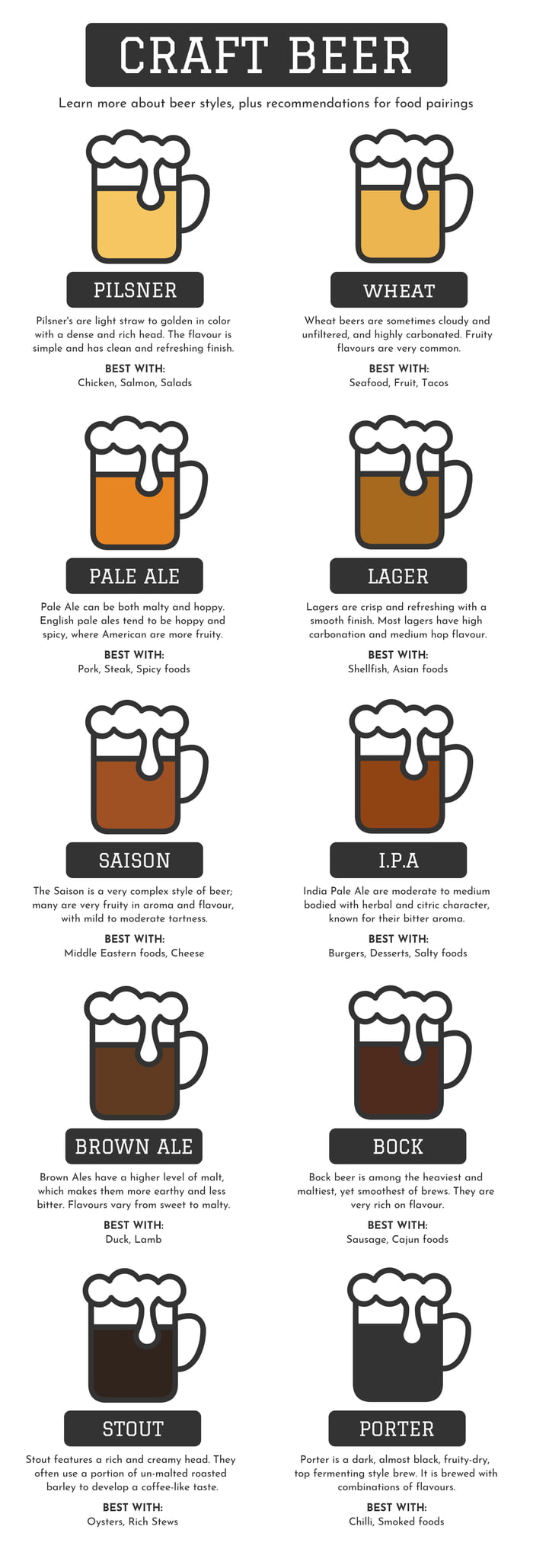
During this period, a significant advancement in beer brewing was the introduction of hops. Before hops, brewers used various herbs and spices to flavor beer, but hops provided a unique bitterness that balanced the sweetness of malt, extended beer’s shelf life, and acted as a natural preservative. The tradition of hopped beer emerged in Germany in the 11th century, and soon after, it became the standard across Europe. This period saw the birth of distinct beer styles that remain popular today, including stouts, porters, and lagers.
Beer and Industrialization: A Transformative Era
The Industrial Revolution of the 18th and 19th centuries transformed beer brewing from a small-scale craft into a large-scale industry. Advances in technology and science—particularly the discovery of yeast’s role in fermentation—allowed brewers to produce beer consistently and at a much larger scale. Innovations like pasteurization and refrigeration further enhanced production, ensuring that beer remained fresh during transport and storage, enabling brewers to reach new markets.
By the mid-19th century, beer had become a global commodity. Breweries grew in size, adopting assembly-line production methods and implementing quality control measures. This era also saw the establishment of several iconic breweries that still operate today, such as Anheuser-Busch and Heineken. Beer styles became more standardized, and global giants began to emerge, producing recognizable beers that were enjoyed worldwide.
The Craft Beer Renaissance
In recent decades, beer has experienced another revolution—the craft beer movement. Beginning in the 1970s, consumers in the U.S. and Europe sought alternatives to the mass-produced beers that had dominated the market for decades. They craved unique flavors, regional identities, and a return to artisanal brewing methods. Small, independent breweries began to emerge, emphasizing creativity and experimentation. These brewers revived traditional brewing styles, experimented with ingredients like fruit, spices, and barrel aging, and created new categories like IPAs, sours, and imperial stouts.
Today, the craft beer industry is booming. With over 8,000 breweries in the United States alone, craft beer accounts for a significant share of the beer market. The movement has reshaped the industry, influencing even large corporations to diversify their offerings. Small breweries drive local economies, create jobs, and foster a sense of community pride. Craft beer festivals, taprooms, and brewpubs have become popular destinations, attracting both locals and tourists who seek to experience unique flavors and support local artisans.
Beer’s Social and Cultural Impact
Beyond its economic contributions, beer plays a significant social role. For centuries, beer has served as a social lubricant, bringing people together to share stories, laughter, and camaraderie. From Oktoberfest in Germany, the world’s largest beer festival, to local pub culture in England, beer has an unparalleled ability to foster human connection.
In many cultures, beer is closely tied to national identity. Irish stout, Belgian Trappist ales, and German lagers are not just drinks—they are symbols of heritage, tradition, and pride. The Japanese, who began brewing in the late 19th century, have also developed a unique beer culture, blending traditional brewing methods with their cultural emphasis on craftsmanship and precision.
However, beer’s societal impact isn’t without its challenges. Overconsumption of alcohol, including beer, can lead to health issues, addiction, and social problems. Beer culture has also historically been male-dominated, but this is changing. Today, many breweries are making efforts to create inclusive spaces and promote diversity within the industry, ensuring that beer culture reflects the values of a modern, diverse society.
Beer’s Environmental and Health Implications
As the industry grows, it faces increasing pressure to address its environmental impact. Brewing is resource-intensive, requiring large amounts of water, energy, and raw materials. Waste management and carbon emissions are also critical concerns. To combat these issues, many breweries are adopting sustainable practices, such as using renewable energy, sourcing ingredients locally, and minimizing water usage. Some even recycle brewing by-products, creating partnerships with local farmers who use spent grain as animal feed.
The industry is also responding to shifting consumer preferences toward healthier lifestyles. Low-alcohol and non-alcoholic beers are gaining popularity, as are beers made with organic ingredients. Breweries are experimenting with new styles and techniques to cater to mindful drinkers, allowing more people to enjoy the flavors of beer without the intoxicating effects. This trend reflects a broader movement toward health-conscious drinking, with consumers valuing quality, taste, and social experiences over high alcohol content.
Looking Ahead: The Future of Beer
As society continues to evolve, so does beer. The industry is embracing new trends and technologies, from sustainable brewing to digital ordering and personalized marketing. The rise of non-alcoholic craft beer is expanding beer’s appeal, and breweries are exploring innovative flavors, incorporating ingredients like exotic fruits, spices, and botanicals. Additionally, the rise of homebrewing and “brew your own beer” kits are allowing enthusiasts to connect with beer on a personal level, further blurring the lines between consumer and creator.
The future of beer also lies in its ability to adapt to shifting values around inclusivity and diversity. As more women and people of color enter the industry, beer culture is becoming more inclusive, reflecting a broader array of perspectives and stories.
From its ancient origins to its modern innovations, beer remains a timeless beverage that continues to bring people together, transcending borders, cultures, and generations. It is a testament to human creativity, resilience, and our unending desire to share life’s simple pleasures. In every pint, there’s a history and a story that celebrates not only the art of brewing but also the connections it fosters and the communities it shapes.